Sign in. It’s quick, free and it’s up to you.
An account is an optional way to support the work we do. Find out more.
Sign in. It’s quick, free and it’s up to you.
An account is an optional way to support the work we do. Find out more.
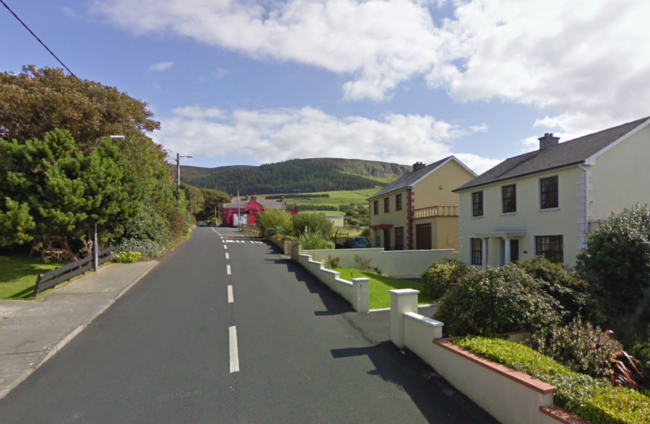
IN THE EARLY twentieth century, Strandhill was an empty landscape of sandbanks. The town was far from the pretty seaside destination it’s known as today.
An integral aspect of its transformation was Buenos Ayres Drive, a residential road clustered with detached two-storey homes that runs from the upper village to the sea.
What, you may wonder, is the connection between this Irish coastal town and the capital of Argentina? The answer has nothing to do with either fine wine or warm weather.
The area was formerly known as the Nicholson estate, but the landowner sold pockets of redundant land in 1877. A detailed history by Go Strandhill notes that Benjamin Murrow, a young legal clerk from Belfast, was amongst the first to purchase a plot from Nicholson.
Murrow developed a fine manor on his patch of land which he enclosed with a high wall. Remnants of that surrounding structure are still visible from the junction leading to the sea.
He built the road to create a functional route from the steep village to the seaside, which inspired the name Strandhill. Once finished, Murrow named it Buenos Ayres Drive, inspired by the Argentinean capital, albeit spelt differently.
Why the desire to commemorate the Latin American city? We don’t know, but suffice to say it adds a continental feel to the coastal town. This road attracted several private developers as an ideal location to build summer residences, golf clubs and small businesses.
The Strand House was erected in 1913 and gained a spirit licence over a decade later. By 1920, a foundation stone for a church was laid. The presence of the Catholic Church in the area led to the development of more houses. Today, Buenos Ayres Drive runs through a housing estate.
To embed this post, copy the code below on your site






have your say